
Navigating the Mental Challenges of Injury Rehabilitation

Let’s talk about it—the frustration, the fear, the identity crisis that can hit like a freight train when an injury sidelines you. Whether you’ve torn your ACL, strained your back, or are recovering from surgery, injury rehabilitation isn’t just about the physical healing. It’s about the mental ride, too. And let me tell you: that ride can feel like a rollercoaster with no seatbelt.
Every day, I see what it takes to push through limits—whether it’s on the field, in the workplace, or at home. Recovery isn’t just physical. The mental strain can weigh heavier than the cast on your leg or the brace on your shoulder. But here’s the thing—injury rehabilitation is also a golden opportunity to train your mind like a champion.
Why Injury Rehabilitation Is More Than Physical Healing
There’s a moment during injury recovery that nobody warns you about—the “now what?” moment. You’ve got your diagnosis, your physical therapy plan is mapped out, and yet, your mindset is spiraling. Maybe you’re questioning your worth without your sport. Maybe your routine is shot. Maybe you’re drowning in comparison or feeling cut off from your team, your goals, or even yourself.
This is where the mental game becomes everything.
We’re not just healing muscles and bones—we’re balancing the mind and body. Your thoughts, your emotions, and the way you respond to setbacks are all part of the injury rehabilitation process. And if we ignore that? We risk re-entering the game physically ready but mentally fragile.
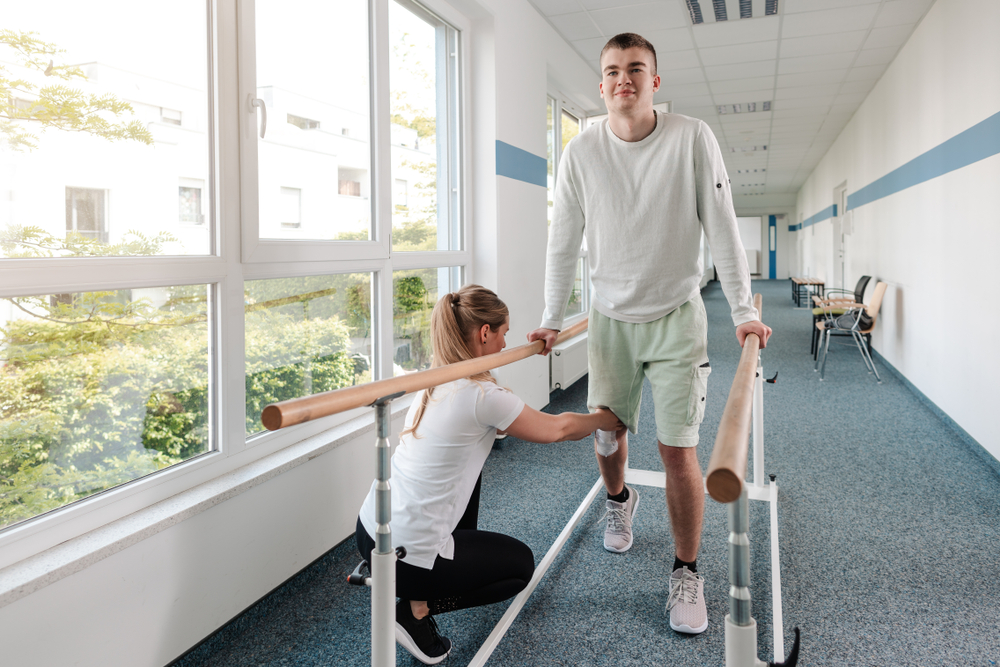
Resetting Your Mindset During Injury Rehabilitation
Let’s be clear: feeling sad, frustrated, or even angry about your injury doesn’t make you weak. It makes you human. The real strength comes when you allow yourself to feel the feels without staying stuck there.
Healing isn’t linear, and neither is your mindset. One day, you’ll be amped for rehab. The next? You might cry on the floor because the simplest stretch hurts like hell. That’s where a little 5-minute mind check-in can work wonders. Journaling, breathwork, and guided visualizations are small but powerful tools that help reset the mindset when it’s spiraling.
And yeah, I know the phrase “stay positive” can feel like a punch in the gut when you’re hurting. But positivity isn’t pretending everything’s fine. It’s about choosing to believe in the possibility of healing, even when your progress feels invisible.
Mental Strategies That Boost Your Healing Process
Injury rehabilitation pulls you out of your routine, and that chaos opens the door for deeper self-reflection. What was fueling your drive before the injury? Was it purpose... or pressure? Sometimes an unexpected timeout forces us to examine the impact of a high performance environment on our well-being.
Let me give you a little reframe: This isn’t just a “pause.” It’s a powerful pivot. Use this moment to check your mental habits. Are you being your own harshest critic? Are you tying your identity too tightly to performance? This is the time to start mastering the mind, not just pushing through the pain.
Injury Rehabilitation Requires a Different Kind of Mental Toughness
We’re so conditioned to hustle, grind, push. But rehab often demands patience, trust, and grace. In other words, it flips the script on what we think toughness looks like.
Building mental toughness isn’t just about tolerating discomfort. It’s about finding resilience in the slowdown. It’s about keeping your internal compass steady even when progress feels like molasses.
This is where combining mental and physical exercise can be game-changing. While your body is rebuilding, let’s train your mental muscles: self-compassion, mindfulness, visualization, and goal-setting. And yes, it’s work. But it’s the kind of work that makes you not only come back, but come back stronger.
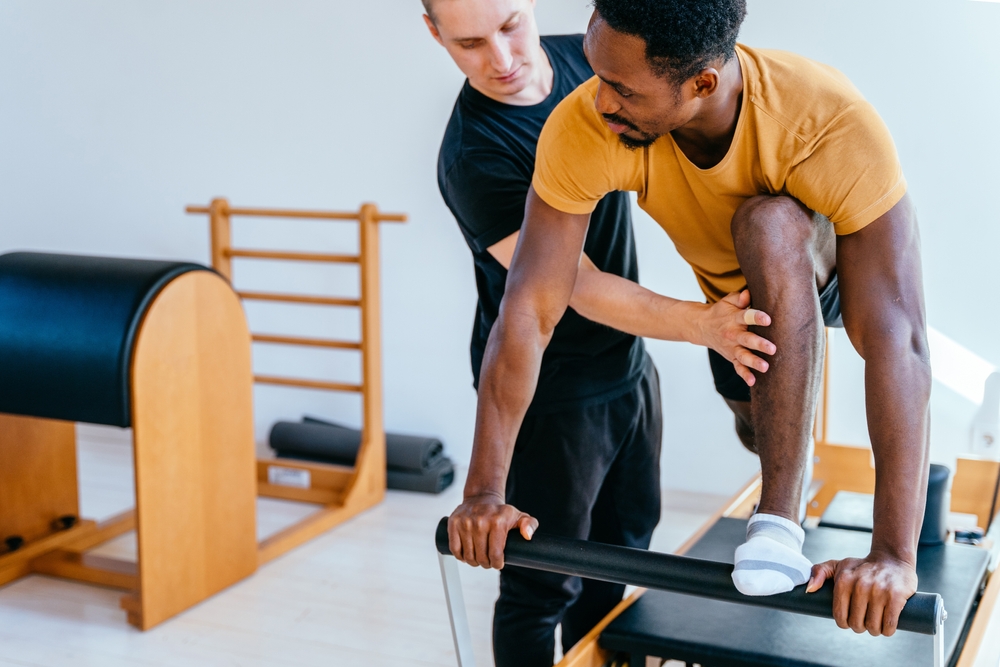
Reclaiming Your Identity During Injury Rehabilitation
One of the hardest parts of injury rehabilitation is the identity crisis. If your sport, job, or physical ability has always defined you, rehab might feel like you’ve lost your core self.
But here’s the beautiful truth: You are not your title, your stat line, or your highlight reel. You’re a full human with complexity, creativity, and yes—vulnerability. And when you start achieving happiness to fuel success instead of chasing success to feel worthy, you’ll reach next-level growth.
Recovery is the perfect time to explore who you are beyond what you do. Maybe that means diving into therapy. Maybe it’s joining a group session with others on similar paths. Maybe it’s just giving yourself permission to rest without guilt.
The Role of Community in Injury Rehabilitation
One of the sneakiest mental traps during injury is isolation. You don’t feel like yourself. You’re not around your usual crew. Maybe you’re even hiding your emotions because you don’t want to be “the injured one” who brings everyone down.
But the truth is, we heal faster when we feel seen. We grow deeper when we’re surrounded by people who get it. That’s why creating a space where people feel supported and understood matters so much—because healing isn’t a solo sport.
Whether you're stepping back for now or for the long haul, you don’t have to face it alone. Support is here, and you deserve to feel seen, heard, and backed every step of the way. Let’s start and sustain success through meaningful conversations, professional support, and intentional recovery.
The Comeback Starts in the Mind
So, where do we go from here? We start by ditching shame and choosing self-compassion. We remember that injury rehabilitation is not a detour—it’s part of the journey. We use this time to train your mindset like a champion, not just your muscles. We slow down, go inward, and start healing from the inside out.
At TOPPS, we’re here for every phase of your journey—whether that’s sport psychology, individual counseling, or corporate wellness support. Our team is trained to work with a full range of challenges that show up in both performance and life. If you’re ready to explore the deeper emotional layers of your injury recovery, please don’t hesitate to reach out.
Discover the extraordinary power of healing and transformation. Get a copy of Hello, Trauma: Our Invisible Teammate today.


